Keeping Your 'A' in the Window: What NYC Restaurants Really Need
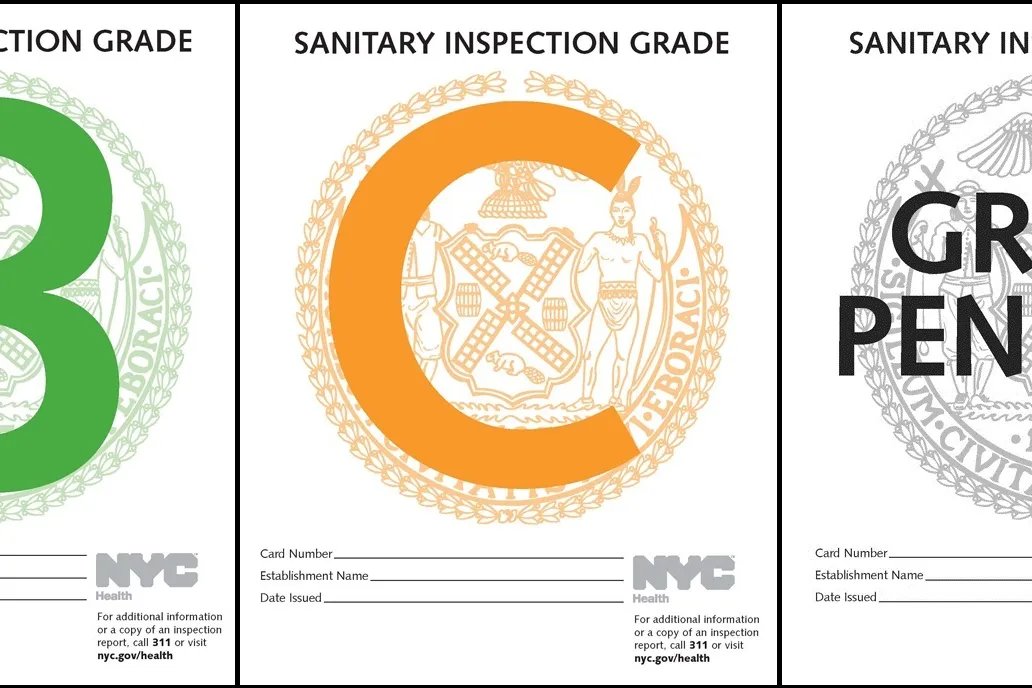
If you run a restaurant in this city, you already know the feeling. That little card in the window isn't just a grade — it's the first thing a customer sees before they decide whether to walk in. An 'A' brings them through the door. A 'B' makes them pause. A 'C' sends them to the place next door.
And here's the part a lot of owners don't realize until it's too late: a single pest violation can knock you down a grade. One mouse dropping behind a prep table. One roach an inspector spots near a floor drain. That's all it takes to turn an 'A' into a 'B' — and now it's hanging in your window for every customer to see.
Pest-free isn't a once-a-year thing
The NYC Health Code is clear: a food establishment has to be free of rodents, insects, and other pests — not just on inspection day, but every single day. Inspectors don't announce themselves. They can walk in during your Friday dinner rush, and whatever they find is what goes on the card.
They also know exactly where to look. The high-risk spots are always the same: grease traps, floor drains, dumpster areas, and any gaps around pipes or doors. A door sweep with a quarter-inch gap underneath is an open invitation to a mouse. An uncovered floor drain is a highway for roaches. Inspectors cite these things specifically, because that's where the problems start.
You legally need a licensed applicator
This isn't optional. In NYC, pesticides in a food establishment have to be applied by a licensed professional — and the code expects a real, ongoing program, not someone spraying a can under the sink when things get bad. That means monitoring, sticky-trap placement, sealing entry points, and keeping documented records of every visit.
That last part matters more than people think. Inspectors often ask to see your pest control logs — records of treatments, sightings, and service visits. Having clean, organized documentation can be the difference between passing and failing. When I service a restaurant, that paper trail is part of the job, because it protects the owner when the inspector comes knocking.
Here's the honest part: it's a two-way street
I'll tell any restaurant owner the truth up front — I can only do so much. I can treat, monitor, seal, and document. But if the kitchen isn't holding up its end, no exterminator on earth is going to keep you at an 'A'.
Pests don't show up for no reason. They show up for food, water, and shelter. A grease build-up behind the line, standing water in a mop sink, crumbs under the equipment overnight, garbage that sits too long — that's a buffet, and I can't out-treat a buffet. The restaurants that stay clean aren't the ones with the strongest chemicals. They're the ones with the best habits.
The best chemical in the world can't beat a dirty kitchen. Pest control and sanitation have to work together — that's the whole game.
The single best thing I've seen work is a daily cleaning schedule. Not a "we'll get to it" list — an actual written schedule, assigned and checked off every shift. Degrease the line. Clean under and behind the equipment. Empty and rinse the trash. Wipe down the drains. Break down the prep area. When that happens every day, the pests never get a foothold in the first place — and my job goes from fighting an infestation to simply keeping it that way.
This is what "Integrated Pest Management" actually means
You'll hear the term IPM — Integrated Pest Management — and the code expects it. It sounds technical, but it's really just common sense: instead of only reacting with chemicals, you attack the problem from every angle at once. Take away the food and water. Seal the entry points. Monitor for early activity. Treat when needed. Document everything.
Notice that "spray" is only one small piece of that. The rest is prevention and teamwork — the exterminator handling the technical side, the restaurant handling the daily sanitation. That's IPM. When both sides do their part, you don't just pass inspections. You stop worrying about them.
Monthly service is the standard for a reason
For most NYC restaurants, monthly pest control service isn't a luxury — it's the baseline cost of doing business, the same as your health inspection is a fact of life. A consistent monthly program keeps the monitoring current, keeps your documentation up to date, and catches small problems before they become the kind that end up on the card in your window.
Do it right, do it together, and that 'A' stays exactly where it belongs.
Protect your grade. Protect your reputation.
— After Hours Pest Control
Licensed Pesticide Applicator · NY & NJ
Run a restaurant, deli, or food business in NYC? Let's set up a monthly program that keeps your grade where it should be. Text me and we'll talk.
💬 Text (646) 681-5642